
Kenya culture facts start with a number most travel guides flatten: in 2024, the country had 68 living languages, including the extinct indigenous language Singa. That single detail changes the whole frame.
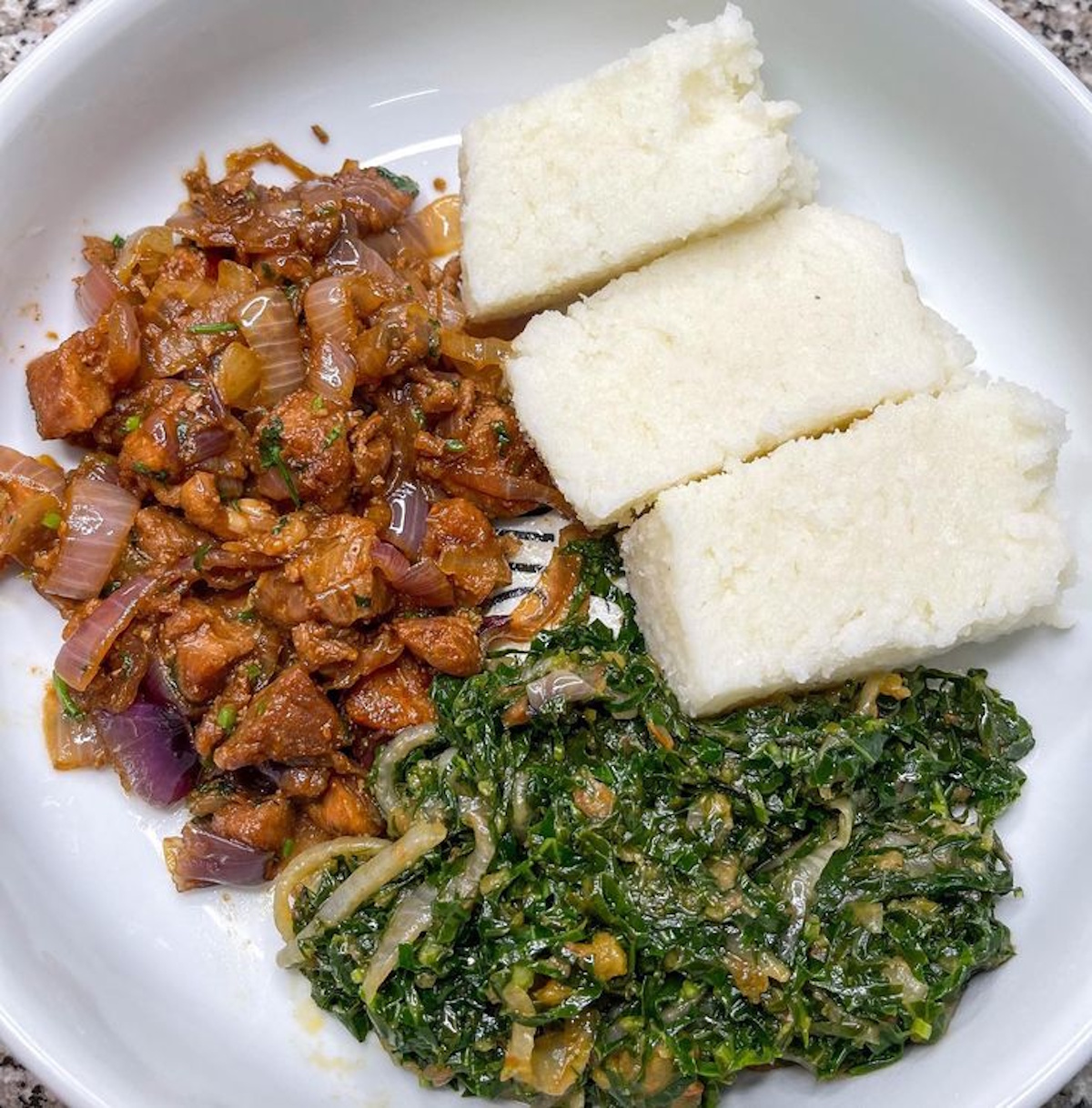
Kenya isn’t just Swahili greetings, tourist-stage dances. A plate of ugali on demand.
Daily life runs on code-switching, market buying, family duty, and public celebration. In Nairobi and Mombasa, more than 97% of household food is purchased, so culture often happens at kiosks, bus stops, and lunch counters before it reaches a dining table.
The article follows that lived version: how people speak, eat, dress, sing, mark holidays, and gather for family events. It also keeps the tension in view.
Tradition matters, but so do royalties, second-hand clothing markets. The price of maize. In my honest opinion, that’s where the real story sits.
Languages That Shape Everyday Life
A single Nairobi matatu ride can move from Swahili to English to Sheng before the next stop. That quick switching tells you more about daily communication than any formal language chart can.
Among the most useful Kenya culture facts is this: language isn’t just about being understood. It signals education, closeness, region, age, and sometimes attitude.
Kenya has two official languages: English and Swahili. English carries weight in government offices, courts, universities, exams, business contracts, and many national newspapers.
Swahili reaches across ethnic lines. You hear it in public announcements, radio, television, political speeches, markets, and everyday conversation between people who don’t share a mother tongue.
In 2024, Kenya had 68 living languages, including 61 indigenous languages, 7 non-indigenous living languages, 6 endangered languages, and one extinct indigenous language called Singa, according to StatsKenya citing Ethnologue, 2024. That number matters because the country’s language life goes far beyond the English-and-Swahili frame outsiders usually notice.
At home, local languages do work that official languages can’t. Kikuyu, Luhya, Luo, Kalenjin, Kamba, and many others carry family memory, jokes, praise, correction, and community belonging.
A person may study in English, bargain in Swahili, and speak to grandparents in a local language. Each choice has meaning.
The tradeoff is clear. English opens doors in school and work.
It can also feel distant. Swahili builds wider national connection, yet local languages often carry trust faster. In my view, the real fluency in Kenya is knowing which language fits the room, not showing off how many you know.
Nairobi makes this especially visible. In shops, classrooms, offices, and public transport, people code-switch without pausing to explain themselves.
A sentence may start in English, slide into Swahili, pick up Sheng, then end with a local-language phrase. If you listen closely, you’ll hear a city negotiating identity in real time.
Meals, Street Food, and Regional Favorites
Kenya consumed 3,341,613 metric tonnes of maize in 2023, a clue to why ugali sits at the center of so many ordinary meals. The Agriculture and Food Authority reported that figure. It fits what you see on plates: a firm maize meal served with sukuma wiki, bean stews, nyama choma, or fish near the coast and around Lake Victoria.
It’s filling, cheap, and flexible. That’s the point.
No single dish speaks for every community, though. Chapati is common in homes, small eateries, and roadside food stalls, especially with beans, stew, or tea.
Githeri has deep roots in central Kenya, but you’ll also find it in school canteens, lunch cafés, and market food stands. Samosas and mandazi move faster: they’re the grab-and-go foods of bus stages, kiosks, tea shops, and market centers.
Food buying itself tells a bigger story. According to KNBS 2024 data from the 2022 Kenya Continuous Household Survey, 83.7% of food consumed by households was purchased. In urban areas, that rose to 94.8%.
That helps explain why street vendors, kiosks, butcheries, open-air markets, and small cafés matter so much to daily eating. They’re not side attractions.
Tea culture ties many of these places together. Strong chai, usually cooked with milk and sugar, anchors breakfast, work breaks, roadside stops, and long conversations.
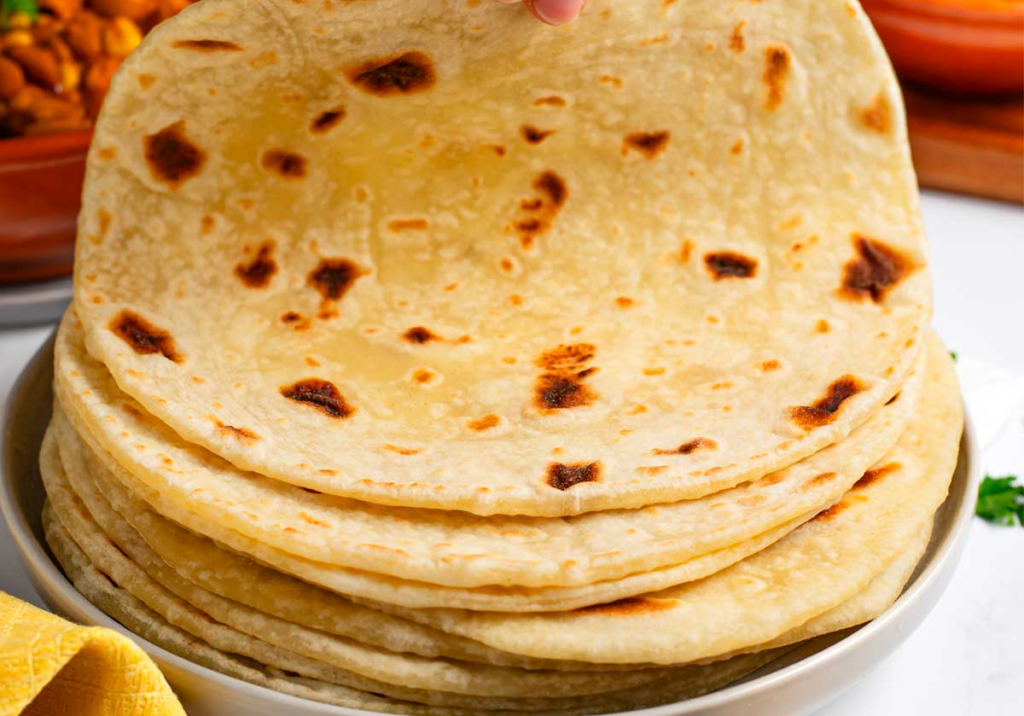
Pair it with mandazi, chapati, roasted maize, boiled eggs, or samosas and you get a practical meal that costs little and keeps the day moving. For wider context beyond food, see the complete Kenya facts overview.
The contrast is sharp. Everyday staples are simple and budget-minded, but ceremonies change the meaning of food.
Weddings, funerals, religious holidays, and family gatherings bring larger portions, more meat, rice dishes such as pilau or biryani, and careful hosting. In my honest opinion, the clearest sign of Kenyan food culture isn’t one famous plate. It’s how ordinary meals stretch money, then ceremonial meals stretch generosity.
Music, Dance, and Clothing With Local Meaning
A guitar line from western Kenya and a sharp city rap hook can both fill the same wedding tent, and nobody treats that as a contradiction. Benga still carries the pull of older guitar-led dance music, with bright riffs and a driving beat made for movement. Genge, by contrast, speaks in a more urban register, with club rhythms and streetwise phrasing that younger listeners know instantly.
Gospel sits in a different lane. It reaches deep into daily life. You hear it in church services, matatus, family events, and televised worship shows.
That reach matters, since Kenyan music isn’t just entertainment. It’s a social language people use for grief, celebration, faith, and status.
The business behind the sound has become harder to ignore. Kenya’s creative sector contributes over 5% to GDP, according to InvestKenya’s 2025/2026 creative-economy snapshot. In June 2024, KECOBO said daily music royalty collections had risen from KSh 600,000 to KSh 2.2 million after licensing changes, a reminder that culture also depends on payment systems.
Dance turns songs into public memory. At weddings, church events, school functions, political rallies, and community gatherings, people don’t just watch performances from a distance. They join in, clap, ululate, answer drum patterns, and use movement to mark belonging.
Clothing carries the same mix of meaning and motion. Kitenge appears as dresses, shirts, headwraps, skirts, jackets, and matching family outfits for ceremonies.
The Maasai shuka has its own strong identity, especially through its red checked cloth. It also appears in bags, coats, shawls, and fashion pieces far from pastoral settings.
That flexibility is the point. Traditional dress is still worn for identity and ceremony, but modern urban style mixes those fabrics with sneakers, denim, football jerseys, and second-hand finds. Kenya imported mitumba clothing worth about KSh 28 billion in 2024, according to a report cited by HapaKenya, so everyday fashion also runs through markets and thrift stalls. In my humble opinion, that’s where Kenyan style feels most alive: not frozen as heritage, but remixed in public.
Holidays, Customs, and Family Celebrations
Jamhuri Day carries extra weight because it marks both independence and republic status. The celebration feels less like a day off and more like a national memory check. Kenya’s civic calendar has four fixed civic anchors: Labour Day on 1 May, Madaraka Day on 1 June, Mashujaa Day on 20 October, and Jamhuri Day on 12th December.
People may attend official events, watch presidential speeches, join school or county ceremonies, or use the break to travel home. The public side is formal. The private side is practical: who is visiting, who is hosting, and who has bus fare.
Madaraka Day marks internal self-rule. It often comes with speeches about governance, sacrifice, and national responsibility. Mashujaa Day turns the focus toward heroes, both famous and local.
Labour Day belongs to workers, unions, and pay debates, but many families treat it as a rare pause in the workweek. That’s the Kenyan rhythm: public meaning on stage, family logistics in the background.
Religious holidays add another layer. Kenya Law’s Public Holidays Act, amended in 2024, includes movable Idd-ul-Fitr and Idd-ul-Azha dates based on the moon, along with Diwali. For Muslim families, mosque prayers, visits, giving, and shared meals shape the day.
For many Christian households, church services do the same during Christmas, Easter, weddings, funerals, and thanksgiving events. These gatherings aren’t side activities. They’re where announcements are made, disputes cool down, and relatives measure who showed up.
Life-cycle ceremonies vary sharply by community, so one neat national script would be false. A wedding in a coastal Muslim family, a church wedding in central Kenya. A customary marriage ceremony in western Kenya can follow very different rules. Naming ceremonies also differ.
Some families emphasize elders and clan identity. Others blend hospital paperwork, church prayers. A home visit.
Funerals may show this pressure most clearly. City life has shortened ceremonies and moved planning into WhatsApp groups, mobile-money collections, and weekend travel. But distance hasn’t weakened obligation. In my view, family duty still has more power over a Kenyan calendar than any office diary.
People budget for transport, contributions, clothing, and time away from work because absence is noticed. Modern life has changed the format. It hasn’t erased the debt people feel to kin, faith, and home.
What changes when culture stops being a checklist
The next time you read a menu, hear a gengetone track, or see a mitumba stall, ask who gets paid. Culture isn’t only identity. It’s rent, school fees, farm income, and airtime.
That question will matter more by 2030, as young Kenyans push local music, fashion, and food into bigger markets. But growth can strip meaning if money moves faster than memory.
When KECOBO says artists should receive at least 70% of royalty collections, it’s not a side note. It’s a clue.
Respect here starts with attention. Learn the greeting.
Pay the vendor fairly. Don’t treat a ceremony like free theatre. In my humble opinion, the most honest way to understand Kenyan life is to notice the exchange behind the welcome.
Frequently Asked Questions
Q: What are the main languages spoken in Kenya?
A: Kenya has two official languages: English and Swahili. Swahili connects people across regions, but you’ll also hear many local languages in daily life. In my view, that mix matters because language in Kenya is practical, social, and deeply tied to identity.
Q: What is everyday food like in Kenya?
A: Kenyan food is built around staples like ugali, rice, chapati, beans, greens, and meat dishes. Coastal cooking adds more coconut, spices, and seafood. The menu shifts a lot by region. That variety is one of the clearest signs of how local and regional Kenyan life really is.
Q: What traditions are important in Kenyan culture?
A: Family ties, respect for elders, and community events still shape a lot of daily life. Weddings, naming ceremonies, and other gatherings can carry strong local customs. They don’t look the same everywhere. That contrast is the point… Kenya isn’t one uniform culture.
Q: What do people wear in Kenya?
A: People wear modern clothing every day, but traditional dress still appears at ceremonies, cultural events, and special occasions. You’ll see bright fabrics, beadwork, and region-specific styles, especially when families want to show pride and heritage. In my honest opinion, that’s where Kenyan clothing feels most powerful, because it’s not just dress — it’s signal.
Q: Which holidays and celebrations are widely observed in Kenya?
A: Kenya observes national holidays like Jamhuri Day on December 12, which marks independence and republic status. Other public holidays include Labour Day, Mashujaa Day, and Christmas, and each one can bring a different mix of civic events, family time, and travel. The surprise is how social these holidays feel. They’re not just days off.